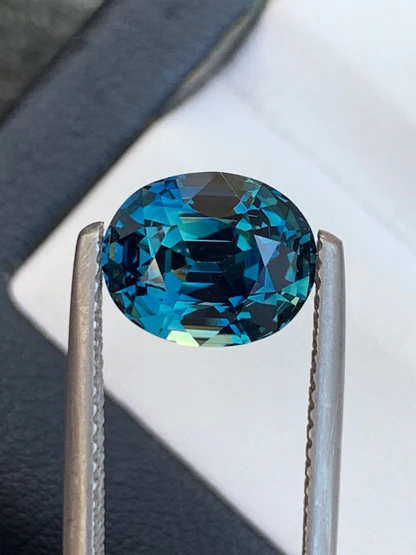
Sapphire is corundum in every color except red — with velvety blue remaining the most iconic. Discover its different types, what drives its price, the most sought-after origins, and value yours for free.
Sapphire is far more than blue. Its color — and rarity — make its value vary enormously.

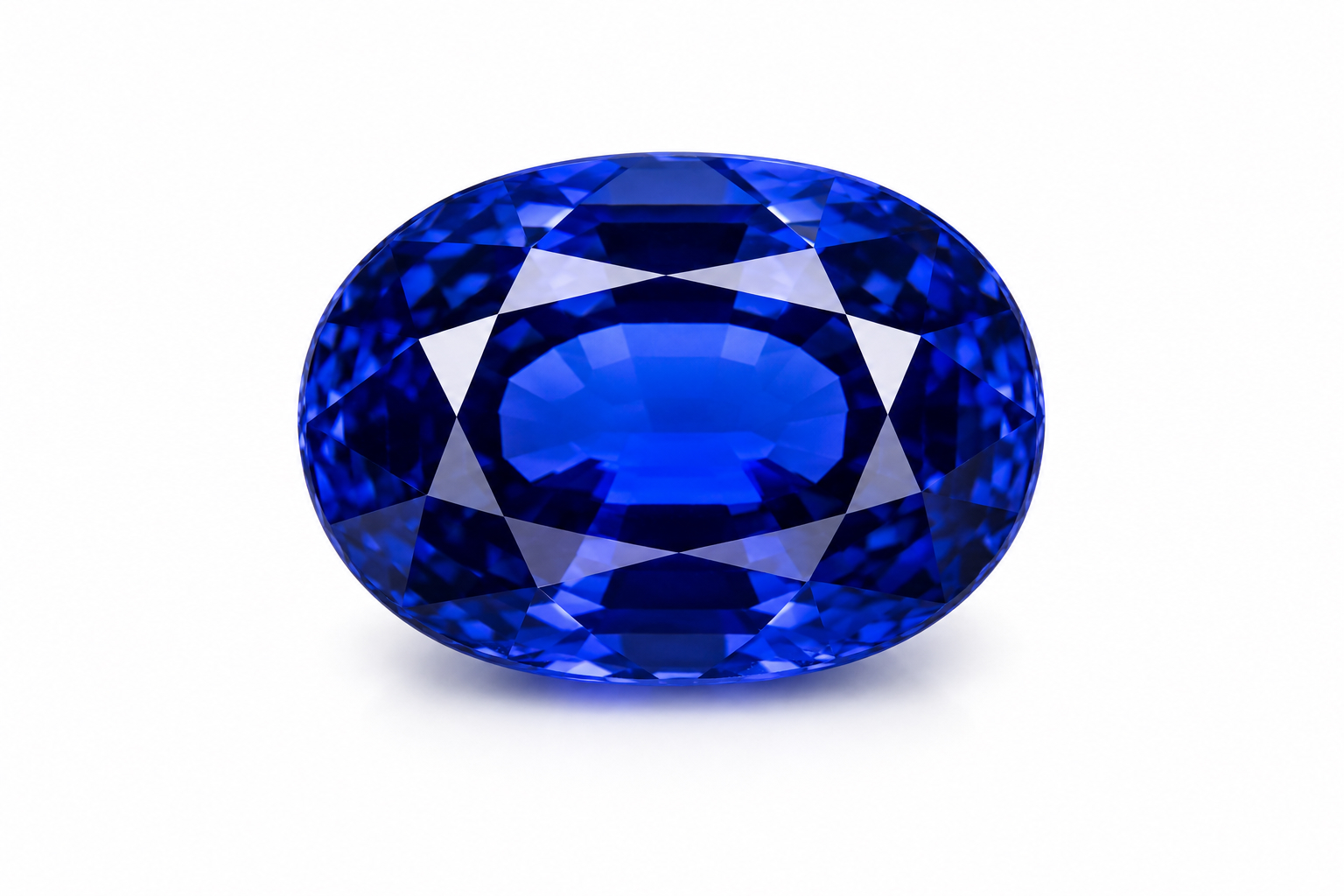
The great classic. A medium, vivid "velvety" blue — neither too dark nor too pale — reaches the best prices, especially from Kashmir or Burma.

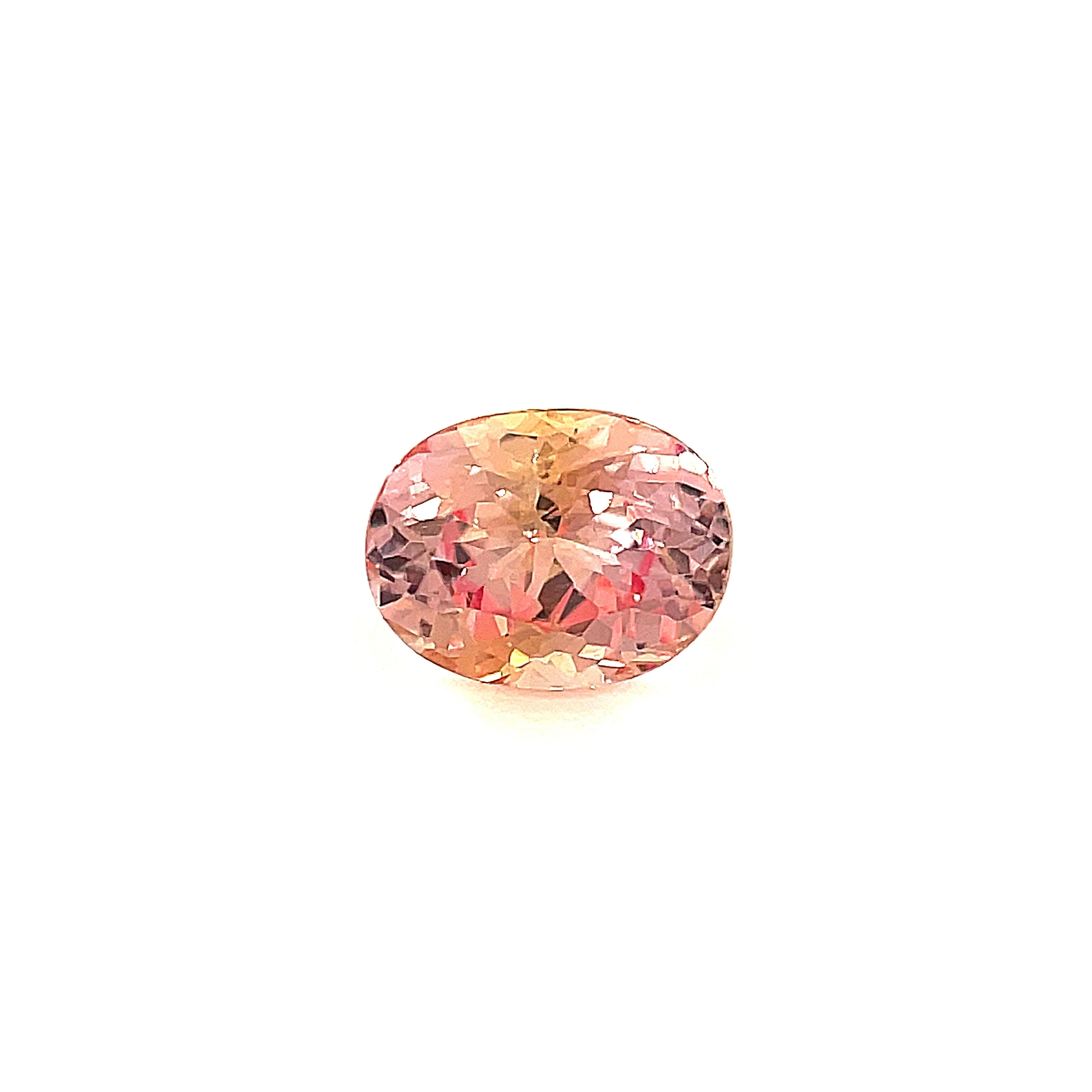
A delicate pinkish-orange ("lotus flower"). Extremely rare, it is one of the most expensive sapphires and highly desired in fine jewelry.

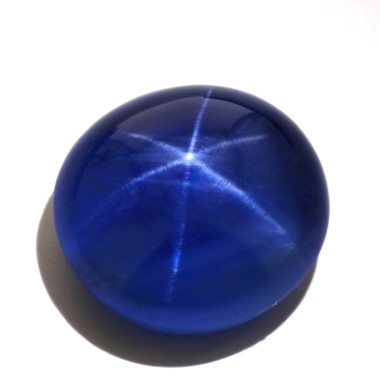
Cut en cabochon, it reveals a 6-rayed star (asterism) caused by fine inclusions. Value depends on the sharpness of the star and the body color.

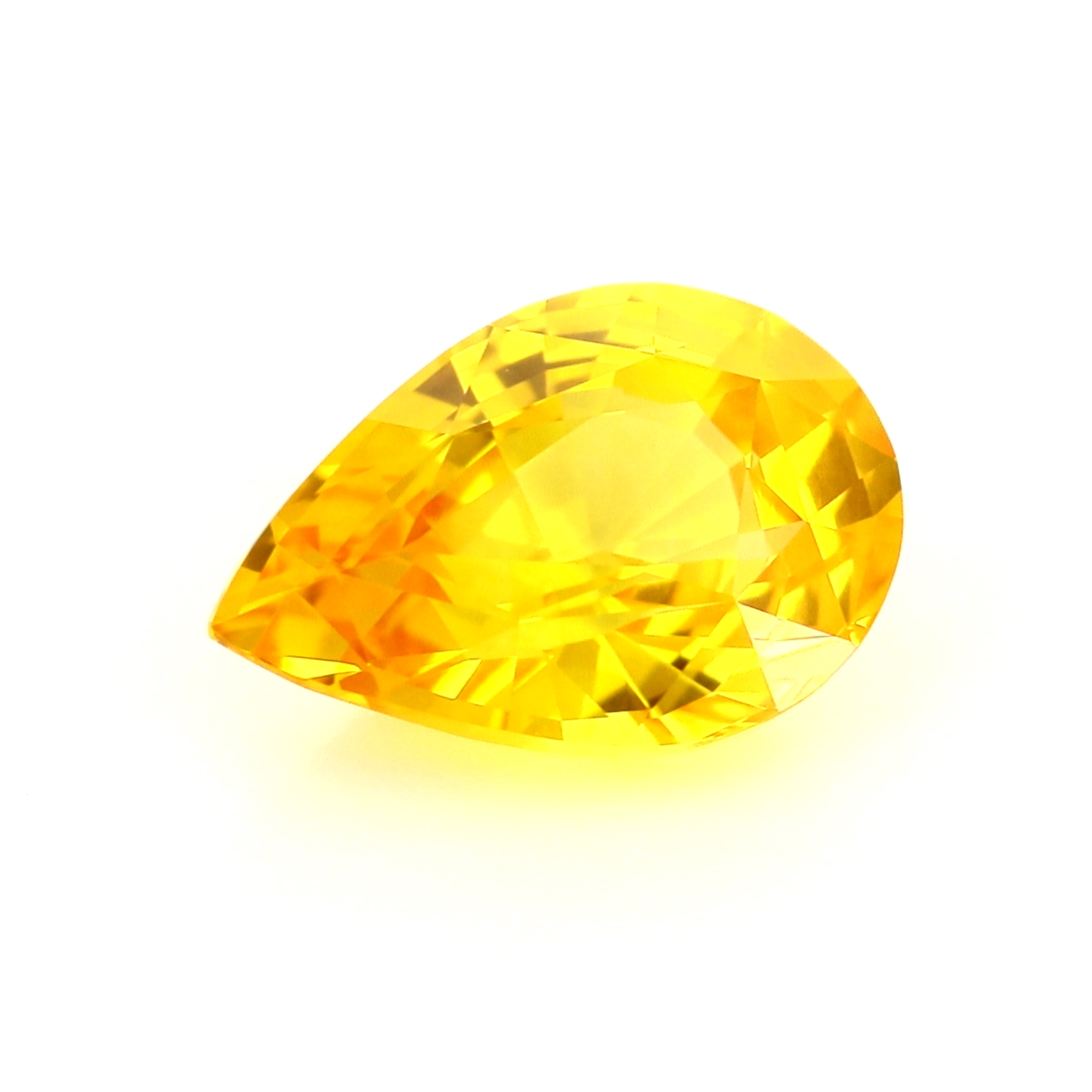
From lemon yellow to intense gold. More affordable than blue, it charms with its brightness; vivid unheated yellows gain in value.

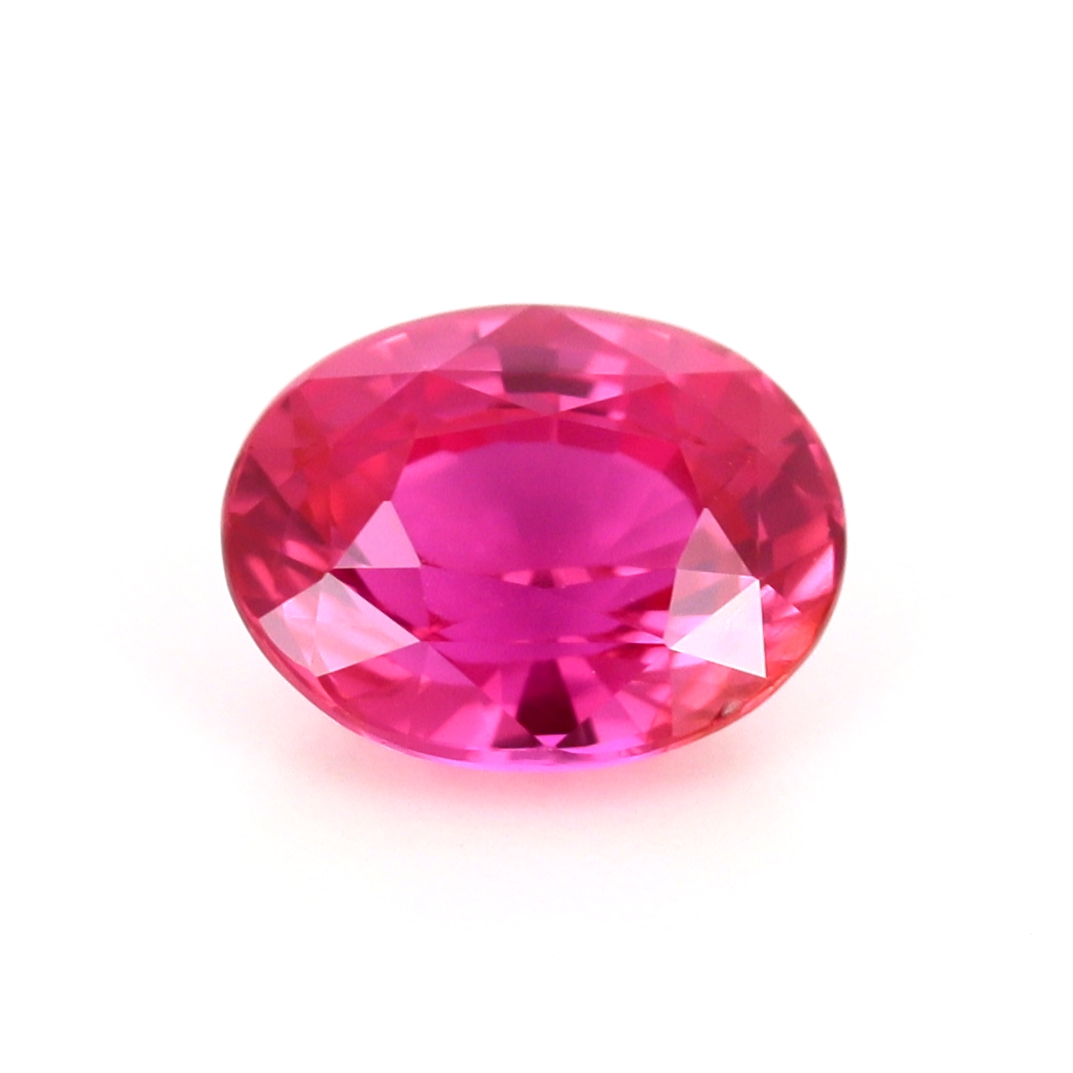
From soft pink to vivid pink (close to ruby). Very trendy for engagement rings; intense, pure pinks are the most prized.

Colorless sapphire mimics diamond; green and "teal" (blue-green) have become a trend. More affordable colors, ideal on a budget.
Six main criteria determine the price per carat. It is their combination that sets the final value.
The #1 criterion. We assess hue (pure blue wins), saturation and tone. A vivid "royal" or "velvety" blue, neither too dark nor washed-out, is worth the most.
Kashmir leads, followed by Burma and Sri Lanka (Ceylon). A certified prestigious origin can multiply value 5–10× for equal color.
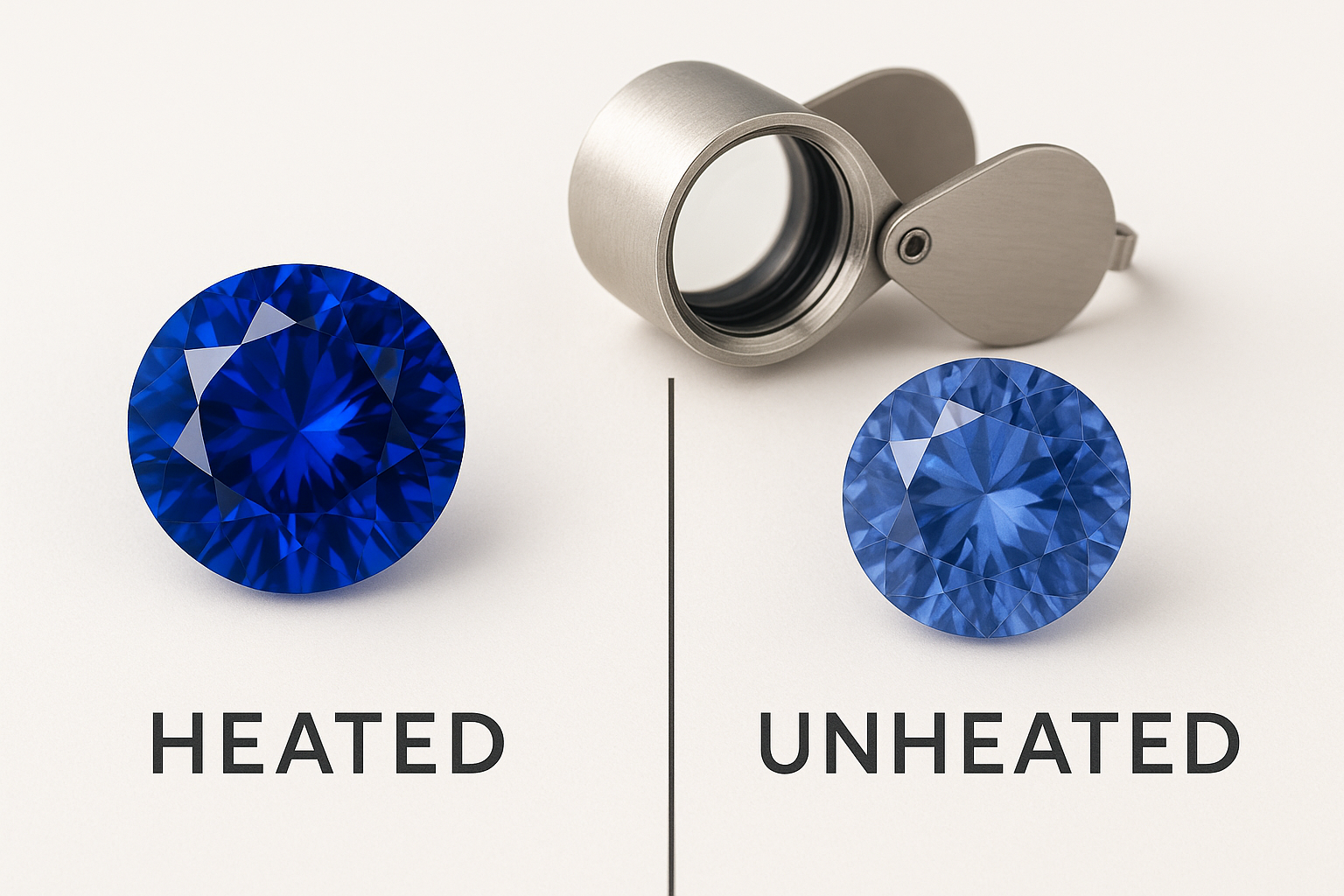
Heating is common and accepted. But an unheated certified sapphire is worth significantly more, being natural in its original state.
Discreet inclusions are normal. Good clarity and a balanced cut (maximizing brilliance without too much weight loss) increase value.
Price per carat rises sharply with size: fine stones above 3–5 ct are rare, hence proportionally far more expensive.
A report from a recognized lab (GIA, SSEF, Gübelin, GRS) confirms origin and treatment: it secures the valuation and resale.

On a blue sapphire, the goal is a vivid, deep blue, slightly violetish, with strong saturation but without going dark. The trade terms "Royal Blue" and "Cornflower" describe the most prized hues.
A too-pale or too-dark blue lowers value, even at identical weight and clarity.

Most sapphires on the market are heated to intensify color — it is legal and stable. But a sapphire that has stayed unheated, attested by a lab, is far rarer and trades at a strong premium.
Beware of heavier treatments (diffusion, glass filling) which, on the contrary, sharply reduce value.
Geographic origin is a prestige marker that weighs heavily on a sapphire's value.
The holy grail: a legendary "velvety" blue, almost unobtainable. Historic stones set auction records.
Very high priceDeep, saturated blues, highly sought after, just behind Kashmir in prestige.
High priceHistoric benchmark: bright blues, a wide range of sizes, excellent value for money.
Mid-high priceA major current source; variable quality that can rival Ceylon for the best stones.
Mid priceOften darker, greenish blues; affordable supply with good volume.
AccessibleA major cutting and treatment hub; widely distributed commercial stones.
AccessibleFine, unheated sapphires of prestigious origin have shown steady long-term appreciation. Illustrative price index (2010 = 100).
Driven by rising demand and shrinking supply of top-origin material, prices for the finest sapphires have climbed consistently — outpacing many commercial gem categories.
Liquidity remains tied to quality and a recognized certificate: the better the stone and the paperwork, the easier and stronger the resale.
*Illustrative figures for fine, unheated, certified stones — not financial advice.
Orders of magnitude for a blue sapphire — your stone may fall outside these bounds depending on its exact characteristics.
Indicative estimates — they do not replace a laboratory appraisal.
Enter color, weight, treatment and origin: our estimator computes an instant price range, then generates a detailed report.
💎 Start free valuation →