Diamond is pure crystallized carbon and the hardest natural material. Its value follows the famous 4Cs — carat, color, clarity and cut — with fancy colors in a league of their own.
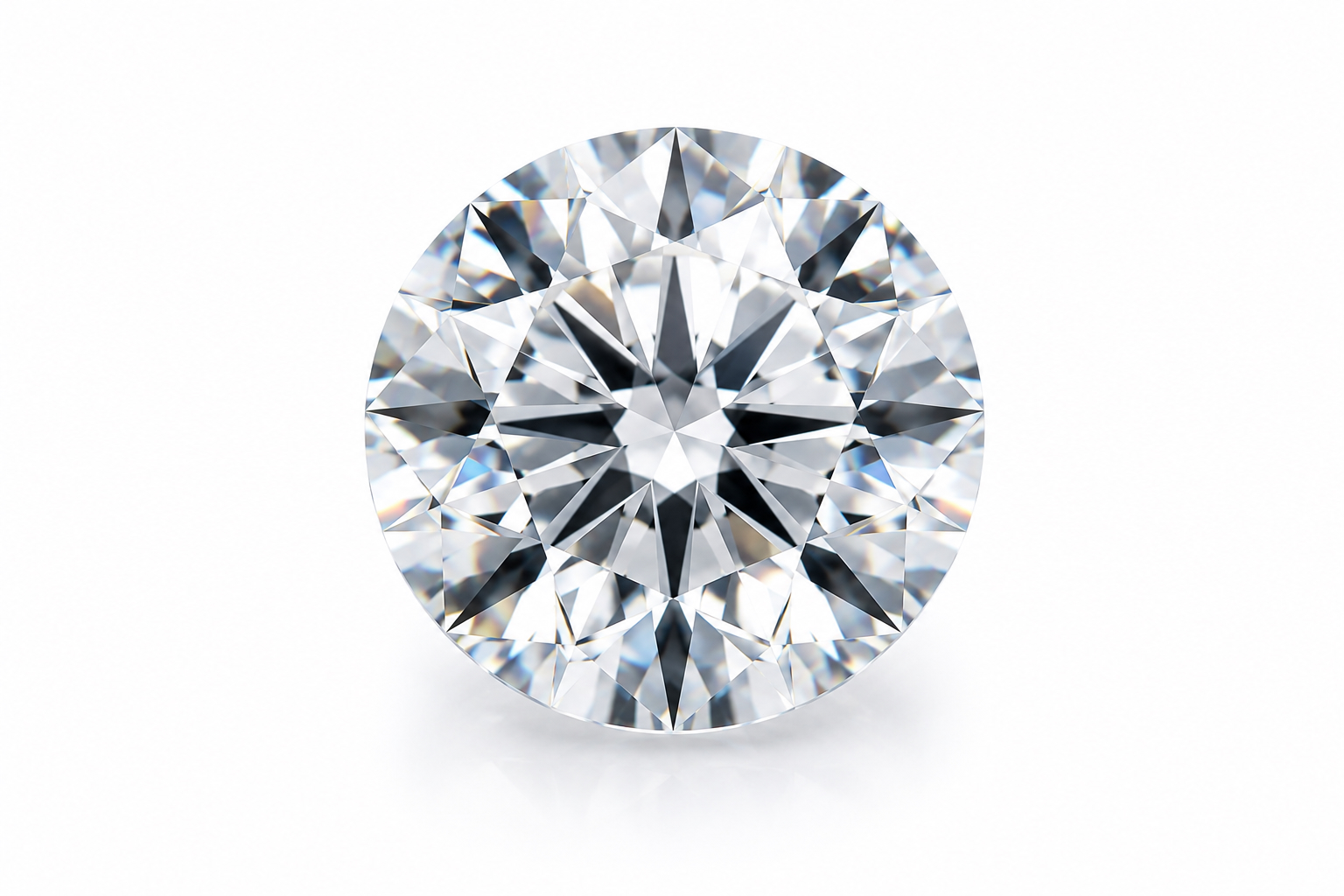
Diamonds split into colorless stones graded by the 4Cs and rare fancy-color diamonds valued on hue and saturation.

Graded D–Z for color and FL–I for clarity. A top cut returns maximum brilliance and fire; the heart of the engagement market.
Pinks, blues and vivid yellows are exceptionally rare; the finest reach millions per carat at auction.
Physically identical but mass-produced; priced far below natural and still falling. Disclose always.
Six main criteria determine the price per carat. It is their combination that sets the final value.
For colorless stones, less color is better (D is top, fading toward Z). For fancy diamonds the opposite applies: stronger, purer color means far higher value.
Origin matters less than for colored stones, but documented natural origin and ethical provenance support value and resale.
Avoid undisclosed treatments (fracture filling, HPHT color, irradiation). Untreated natural diamonds with a major lab report hold value best.
Graded FL to I. Eye-clean (VS–SI) offers the best value/appearance balance; inclusions affecting durability or brilliance reduce price.
Prices jump at round milestones (0.50, 1.00, 2.00 ct). A 1.00 ct costs disproportionately more than 0.99 ct.
A GIA or IGI report is essential: it certifies the 4Cs and natural vs lab origin, and is expected for any resale.

Carat, color, clarity and cut interact: a smaller, well-cut, eye-clean stone can outshine a larger dull one.
Cut quality is the most underrated C — it governs the sparkle that buyers actually see.
Lab-grown diamonds are optically identical but produced at scale; their prices have fallen sharply and continue to decline.
Natural diamonds, especially fancy colors, retain rarity value. Always insist on full disclosure and a major lab report.
Geographic origin can be a strong prestige marker that weighs on value.
Leading producer of fine gem-quality rough, ethically tracked.
Quality sourceLargest volume globally across all qualities.
High volumeSought for traceable, conflict-free origin.
Ethical premiumHistoric source of the trade and famous large stones.
HistoricFamed for rare pink diamonds; mine now closed.
Pinks prizedGrowing producer of quality rough.
EmergingIllustrative price index (2010 = 100) for fine, certified stones.
Generic colorless diamond prices have been pressured by lab-grown competition, while rare fancy colors keep appreciating.
Investment focus is on certified, rare natural stones — particularly fancy pinks and blues.
Illustrative; generic diamonds have been flat to soft while rare fancy colors rose strongly. Not financial advice.
Orders of magnitude for a 1 ct natural colorless diamond — fancy colors are in an entirely different range.
Indicative estimates — they do not replace a laboratory appraisal.
Enter color, weight, treatment and origin: our estimator computes an instant price range, then generates a detailed report.
💎 Start free valuation →