Natural zircon is a brilliant gem with fire rivaling diamond — not to be confused with synthetic cubic zirconia. Blue zircon is the most popular and valuable color.
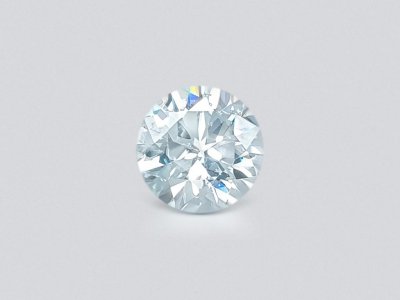
Zircon value is led by color (blue first) and by its exceptional brilliance and fire.
A vivid electric blue (usually heat-produced from brown rough), mainly from Cambodia. The most popular and valuable color.
Honey-gold and colorless zircon; colorless stones were historically used as diamond substitutes for their fire.
Natural reds and greens are scarcer and sought by collectors.
Six main criteria determine the price per carat. It is their combination that sets the final value.
The leading factor: vivid blue commands the most, followed by rich golden and rare red/green. Brownish stones are cheap (and often the source for blue).
Cambodia (Ratanakiri) is the main source of fine blue zircon; Myanmar and Sri Lanka supply other colors.
Most blue and colorless zircon is heat-treated (stable and accepted); natural-color stones exist but blue is almost always heated.
Zircon is usually eye-clean; its high brilliance and fire reward a precise cut. Watch for abraded facet edges (it is brittle).
Price per carat rises sharply with size: fine large stones are rare, so they are proportionally far more expensive.
A report from a recognized lab (GIA, SSEF, Gübelin, GRS, AGL) confirms identity, origin and treatment, securing the valuation and resale.

Vivid blue is the most desirable; zircon's high refractive index and dispersion give it diamond-like sparkle and fire.
A clean, precise cut maximizes the brilliance that makes zircon special.
Natural zircon is a genuine mineral; cubic zirconia (CZ) is a man-made diamond simulant — they are completely different.
Zircon's fire once made colorless stones popular diamond substitutes long before CZ existed.
Geographic origin can be a strong prestige marker that weighs on value.
The main source of fine electric-blue zircon.
High for blueFine reds and other colors.
Mid priceWide range, including golden zircon.
Mid priceVarious colors.
AccessibleSource of zircon (and oldest known crystals).
AccessibleCutting and heat-treatment hub.
AccessibleIllustrative price index (2010 = 100) for fine, certified stones.
Fine blue zircon has gained appreciation among collectors who value its fire and natural origin.
It remains affordable relative to its beauty, with the best blues firming in price.
Illustrative figures for fine, certified stones — not financial advice.
Orders of magnitude for a faceted natural zircon — fine large blues sit at the top.
Indicative estimates — they do not replace a laboratory appraisal.
Enter color, weight, treatment and origin: our estimator computes an instant price range, then generates a detailed report.
💎 Start free valuation →